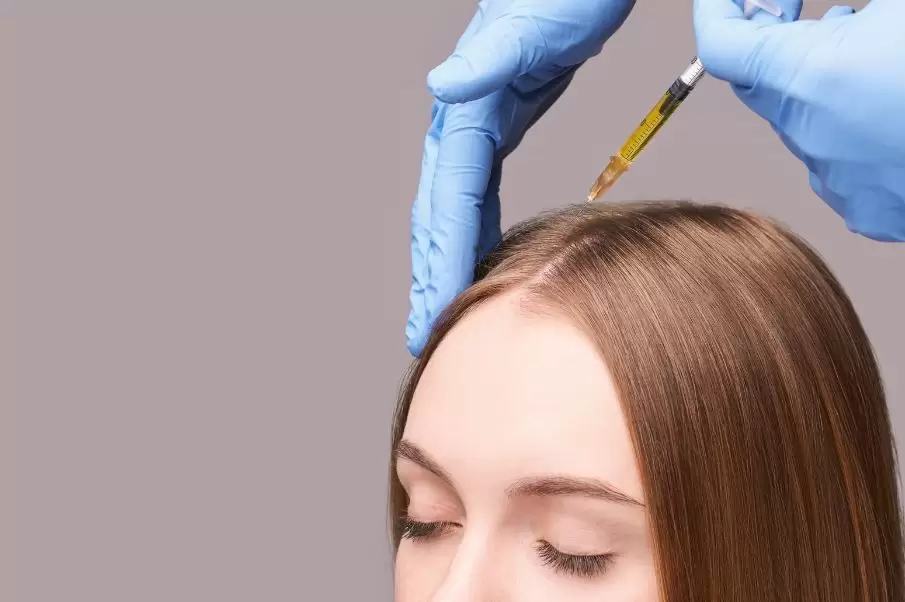
Skin Tag Removal
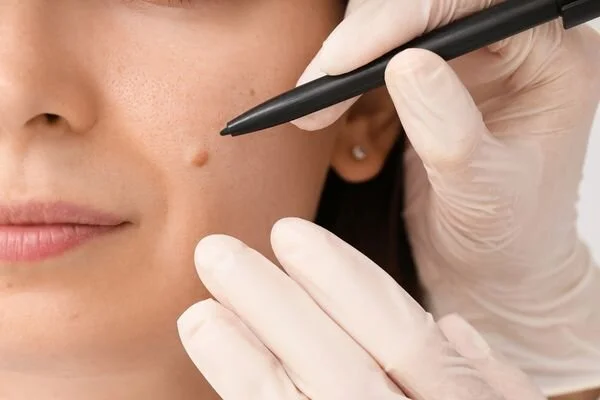
Skin Tag Removal — medically known as “acrochordon” — is a dermatological procedure that removes harmless, small, skin-colored or slightly brown growths that often appear on areas exposed to friction, such as the neck, armpits, groin, or around the eyes. Although skin tags are typically benign and do not pose health risks, many people choose to have them removed for aesthetic reasons or to prevent irritation. Thanks to modern laser technologies, skin tag removal can now be performed quickly, comfortably, and without scarring. Procedures performed with Nd:YAG Laser and Pico Laser devices provide high precision and safe targeting of the tissue. This article explains what skin tag removal is, how it is performed, and the details of the procedure from a dermatologist’s perspective.
What is Skin Tag Removal?
Skin tag removal is the process of eliminating small, soft, pedunculated or flat skin protrusions using medical techniques. While most skin tags are harmless, they may cause discomfort, bleeding, or irritation due to friction from clothing or jewelry. After dermatological evaluation, the appropriate treatment method is chosen depending on the size and type of the tag. Smaller and superficial ones are usually treated with laser, whereas larger lesions may require surgical excision or cryotherapy (freezing method). Laser treatments, particularly with advanced systems such as Nd:YAG Laser, precisely target the affected area without damaging surrounding tissue, allowing for fast healing and minimal scarring.
How is the Procedure Performed?
Before the procedure, a dermatologist examines the skin and determines the type of lesion. The treatment is usually performed under local anesthesia. During laser removal, the device emits concentrated light energy that vaporizes or dries out the tissue of the skin tag. The Nd:YAG Laser is particularly effective for darker or thicker lesions, while the Pico Laser is suitable for smaller and more superficial ones. After treatment, a healing ointment is applied, and a light crust forms over the area within a few days. The crust falls off naturally, revealing healthy new skin underneath. The procedure typically takes only a few minutes, and patients can immediately resume daily activities.
Advantages of Laser Skin Tag Removal
Laser technology offers an effective, non-surgical solution for removing skin tags. Devices like the Nd:YAG Laser target only the affected tissue, preserving the surrounding skin. The risk of bleeding is minimal, and infection is rare. As no sutures are required, the risk of scarring is very low. Laser treatment is particularly preferred on visible areas such as the face and neck and allows for the removal of multiple small skin tags in a single session.
Healing Process
Healing after laser skin tag removal is typically fast and uncomplicated. Mild redness or crusting may occur during the first few days — this is normal and resolves on its own. Sun protection is crucial during recovery. Patients are advised to use sunscreen, avoid picking scabs, and apply dermatologist-recommended healing creams to support skin renewal. The skin usually heals completely within 7–10 days.
Causes of Skin Tag Formation
Skin tags may develop due to genetic predisposition, friction, hormonal changes, or obesity. They can also appear more frequently with aging as collagen structure changes. People with diabetes or insulin resistance may be more prone to developing skin tags. Although most are benign, any rapidly growing, changing, or darkening lesion should be examined by a dermatologist, as it may indicate another skin condition.
Technologies Used in Skin Tag Treatment
In dermatological practice, Nd:YAG Laser, Pico Laser, and sometimes Fractional CO₂ Laser are commonly used. The Nd:YAG Laser effectively penetrates deeper tissues, making it ideal for darker lesions, while the Pico Laser is better suited for small, surface-level tags. The Fractional CO₂ Laser is preferred when treating larger areas with multiple lesions. These systems provide high precision while maintaining skin integrity.
Combination Approaches
In some patients, skin tags vary in size and depth. In such cases, combined treatment approaches may be used — for example, surgical removal for larger lesions and laser vaporization for smaller ones in the same session. This combination speeds up the process and maintains skin uniformity. Post-procedure, skin regeneration can also be supported with technologies such as Gold Needle Radiofrequency or Biodermogenesi.
Treatment Duration and Sessions
Skin tag removal is typically completed in a single session. However, for patients with numerous lesions, sessions can be divided by area. Each session lasts about 15–30 minutes. No special aftercare is required beyond moisturizing and sun protection. A follow-up appointment may be scheduled after 4–6 weeks if necessary.
| Feature | Description |
|---|---|
| Procedure Duration | 10–30 minutes |
| Number of Sessions | Usually single session |
| Healing Time | 5–10 days |
| Technologies Used | Nd:YAG Laser, Pico Laser, Fractional CO₂ Laser |
| Treatment Areas | Neck, armpits, torso, eye area |
Skin Tag Removal Prices
The cost of treatment varies based on the number, size, and type of lesions, as well as the chosen laser system and treatment area. Each case requires individual assessment to determine the best approach. Please contact our clinic for detailed pricing information.
Skin Tag Removal not only improves appearance but also supports overall skin health. With modern laser technologies, results are fast, safe, and have a minimal risk of scarring. A proper dermatological evaluation and personalized plan are key to successful outcomes.
Frequently Asked Questions About Skin Tag Removal
Question:
Is skin tag removal painful?
No. Laser treatments are performed under local anesthesia, and only a mild stinging sensation may be felt briefly. 💡
Question:
Do skin tags grow back?
Removed skin tags do not usually recur; however, new ones may appear over time if there is a genetic tendency. ✅
Question:
Will there be any scarring?
Laser treatments typically leave no scars. In rare cases, slight temporary pigmentation changes may occur, depending on skin type. 📌
Question:
What should be done after treatment?
Protect the area from the sun, avoid scratching or picking, and use prescribed creams. Stay away from pools and saunas for a few days. 🌿