


Chemical Peeling
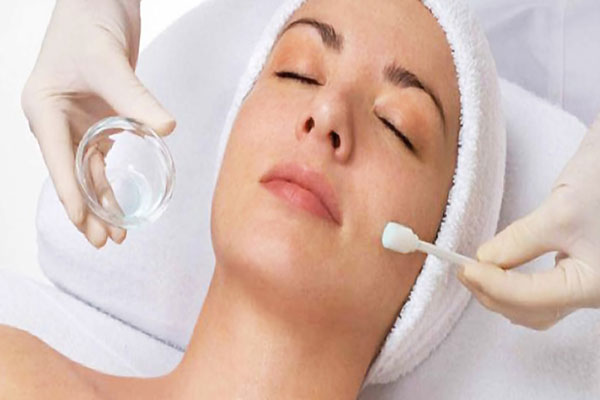
Chemical Peeling is a skin rejuvenation treatment that uses controlled application of acidic solutions to exfoliate the outer layer of dead skin cells, promoting the growth of new, healthy skin. This process helps even out skin tone, reduce blemishes, fade acne scars, and restore a radiant, refreshed complexion. Widely used in dermatology for decades, this method accelerates skin renewal and brings natural brightness and vitality to the skin. 🌿
What is Chemical Peeling?
Chemical Peeling (chemical exfoliation) involves applying specific chemical solutions to the outermost layer of the skin to gently remove dead cells in a controlled way. This stimulates new collagen production, promoting smoother, fresher skin. Chemical peels can be classified as superficial, medium-depth, or deep, depending on intensity. The most commonly used acids include glycolic acid, salicylic acid, lactic acid, and TCA (trichloroacetic acid). 💫
How is Chemical Peeling Performed?
Before treatment, the skin is cleansed and degreased. The dermatologist selects an appropriate peeling solution based on skin type and treatment goals. The solution is applied using a brush or cotton pad and left on the skin for several minutes. It is then neutralized or removed with a special solution. The session takes approximately 15–20 minutes. After the procedure, mild redness and peeling may occur — a natural part of the skin renewal process. ✅
Benefits of Chemical Peeling
Chemical peeling offers multiple benefits for both skin health and appearance: • Reduces pigmentation and sun damage. • Tightens pores and smooths texture. • Decreases acne and blackhead formation. • Softens fine lines and wrinkles. • Evens out skin tone and boosts radiance. • Stimulates collagen production for firmer skin. 🌸
When is Chemical Peeling Recommended?
This treatment effectively addresses many skin concerns, including: – Acne and post-acne marks, – Sun spots and hyperpigmentation, – Dull and uneven skin tone, – Fine lines caused by aging, – Rough texture and enlarged pores. 💡
Types of Chemical Peels
Superficial Peeling
Uses mild formulations with glycolic acid or lactic acid. It gently exfoliates to restore brightness and is suitable for all skin types with minimal downtime. 🌿
Medium-Depth Peeling
Contains TCA (trichloroacetic acid) and targets pigmentation, fine wrinkles, and acne scars. Slight peeling and redness resolve within 3–5 days. 💧
Deep Peeling
Uses stronger acid combinations that penetrate deeper skin layers. It’s ideal for treating severe wrinkles or stubborn pigmentation. This type must be performed under professional dermatological supervision. 📌
Post-Treatment Care
After chemical peeling, the skin becomes temporarily sensitive. Sun protection is crucial during this period. A high-SPF sunscreen should be used daily, and the skin should be kept moisturized. Avoid using exfoliants, masks, or makeup for the first few days, and apply only dermatologist-recommended soothing creams. 🌞
Results and Session Frequency
Visible improvement can be noticed after the first session — the skin looks brighter and smoother. For long-lasting results, 3–6 sessions spaced 3–4 weeks apart are usually recommended. The number of sessions is tailored to skin type and treatment goals. 💫
Combination Treatments
To enhance results, chemical peeling can be combined with Dermapen, Laser Genesis, Gold Needle Radiofrequency, or Biodermogenesi. These combinations accelerate skin regeneration and improve scar and pigmentation reduction. 🌿
| Feature | Description |
|---|---|
| Procedure Duration | 15–20 minutes |
| Number of Sessions | 3–6 sessions |
| Acids Used | Glycolic, Lactic, Salicylic, TCA |
| Recovery Time | 1–5 days (depending on depth) |
| Treatment Areas | Face, neck, décolletage, back, hands |
Chemical Peeling Prices
The cost of chemical peeling depends on the type of acid used, peel depth, number of sessions, and treatment area. Because each person’s skin is unique, pricing is personalized after a detailed analysis at our clinic. Please contact us for more information.
Chemical Peeling is a safe dermatological procedure that revitalizes the skin, enhances glow, and supports long-term skin health. With regular sessions, the complexion becomes smoother, brighter, and more evenly toned. 🌸
Chemical Peeling – Frequently Asked Questions
Question:
Is chemical peeling painful?
No. A mild tingling or burning sensation may occur but subsides quickly. ✅
Question:
Does the skin peel after the treatment?
Yes. Depending on the skin type and peel depth, light to moderate peeling is normal. 💡
Question:
Can chemical peeling be applied to all skin types?
Generally yes, but sensitive or acne-active skin requires dermatologist evaluation. 📌
Question:
How long do the results last?
Results appear immediately and can last long-term with consistent sessions. 🌿


