


Nail Fungus Treatment
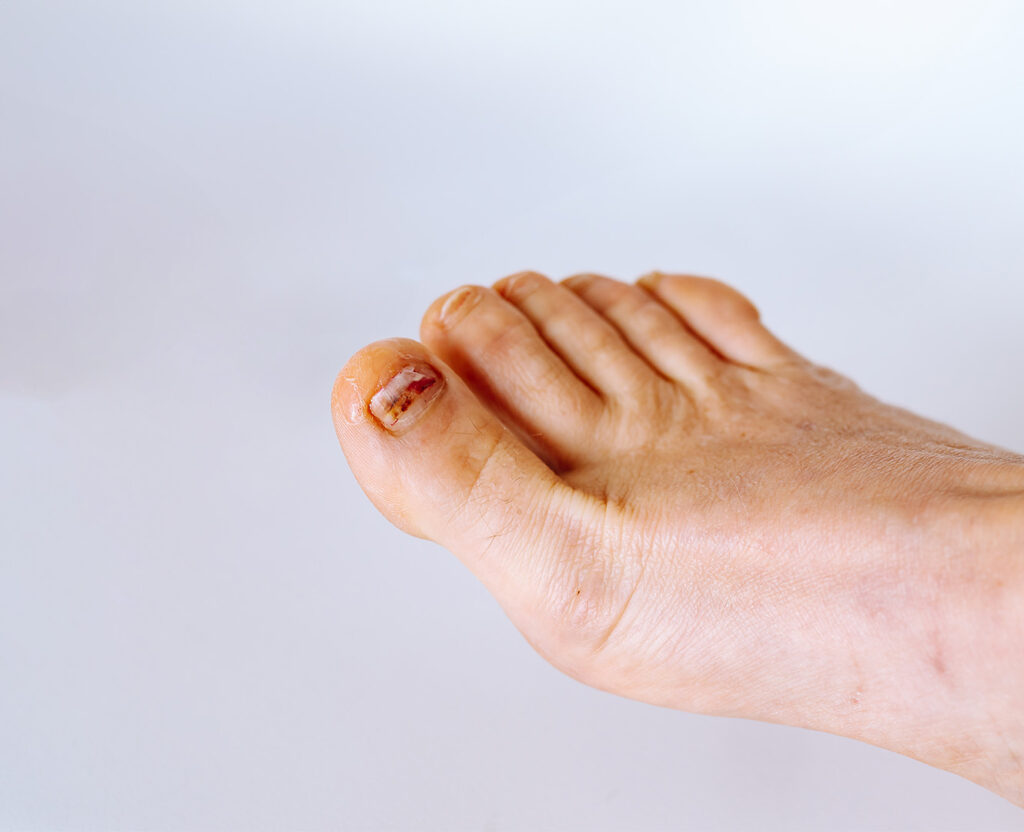
Nail Fungus Treatment, medically known as “onychomycosis,” refers to procedures aimed at eliminating fungal infections that affect the nails. Nail fungus most commonly occurs on toenails and less frequently on fingernails. If left untreated, it can cause thickening, discoloration, and brittleness of the nails. Today, Nd Yag Laser technology offers an advanced and effective alternative or complementary option to traditional drug therapy. The laser targets fungal cells with heat energy, disinfects infected tissues, and supports healthy nail regrowth. In this article, you can explore the causes of nail fungus, the treatment process, and the advantages of laser therapy from a dermatological perspective.
What is Nail Fungus?
Nail fungus is an infection caused by dermatophyte fungi that invade the nail plate, nail bed, or surrounding skin. It spreads easily in warm and humid environments such as gyms, swimming pools, and shared showers. Early signs include yellowish discoloration or dullness of the nail. Over time, the nail thickens, becomes brittle, and may separate from the nail bed. It is more common in people with weakened immune systems, diabetes, or those who wear tight shoes. While nail fungus is not life-threatening, it can damage nail integrity and cause significant aesthetic and comfort problems if left untreated.
How is Nail Fungus Treated?
The goal of treatment is to remove infected tissue and support the growth of healthy nails. Traditionally, oral antifungal medications and topical creams are used, but these often take months to work and may have side effects on the liver. In modern dermatology, Nd Yag Laser therapy offers a faster and safer alternative that can reduce or replace the need for medications. The laser penetrates the nail plate and destroys fungal cells with controlled heat. The procedure is painless, non-invasive, and does not damage the surrounding tissues. With regular sessions, the infected nail gradually grows out and is replaced by a healthy one.
Nd Yag Laser Treatment for Nail Fungus
Nd Yag Laser is one of the most effective technologies used in nail fungus treatment. It directs a high-wavelength light beam to the fungal colonies beneath the nail. The heat energy damages the fungal cell membranes, leading to their elimination. The procedure requires no anesthesia or incision. Typically, 4–6 sessions are scheduled, each lasting 15–20 minutes. Over time, visible improvement in nail appearance can be observed. The laser helps reduce both medical and cosmetic deformities caused by fungal infection.
Topical and Supportive Treatments
Laser therapy is often combined with topical antifungal products to enhance results. These help remove surface fungal residues and prevent reinfection. Maintaining proper foot hygiene, wearing breathable socks, and avoiding damp environments are essential for successful outcomes. In some cases, nail trimming or mechanical cleaning may also be recommended.
Causes of Nail Fungus
Common causes include prolonged moisture, tight or non-breathable shoes, excessive sweating, and walking barefoot in communal areas such as pools or gyms. People with weakened immunity, diabetes, or poor circulation are at higher risk. The infection often starts with a single nail and can spread to others if untreated.
Post-Treatment Care
After laser therapy, no special aftercare is required, but good hygiene is crucial. Nails should be kept clean and trimmed. Feet should stay dry, and cotton socks are recommended. Shoes must be disinfected regularly to prevent reinfection. Once the nail has fully regrown, it regains a healthy and natural appearance—this process typically takes several months.
Combination Therapies
For advanced cases, laser treatment can be combined with topical or oral antifungal medications or Focused Ultrasound. Focused Ultrasound improves blood circulation in the nail bed, enhancing drug absorption and accelerating recovery. These combination therapies are especially effective for chronic or recurring fungal infections. 💡
Treatment Duration and Sessions
The number of sessions depends on infection severity—typically 4–6 sessions performed every 2–4 weeks. Each session stimulates nail regeneration. As the nail grows, the effects of the laser become more visible, and significant improvement is usually seen within 3–6 months.
Advantages of Laser Treatment
Laser nail fungus treatment helps eliminate infection without medication, avoiding liver stress or systemic side effects. It is painless, safe, and highly effective. The laser targets only the infected tissue, leaving surrounding areas unharmed. No downtime is required, and patients can resume normal activities immediately. ✅
| Feature | Description |
|---|---|
| Treatment Duration | 15–20 minutes |
| Number of Sessions | 4–6 sessions |
| Recovery Period | 3–6 months (depends on nail growth) |
| Technologies Used | Nd Yag Laser, Focused Ultrasound |
| Treatment Areas | Hand and foot nails |
Nail Fungus Treatment Prices
The cost varies based on infection severity, treatment method (laser, medication, or combination), number of sessions, and number of nails treated. Each patient’s condition is unique; therefore, a fixed price cannot be provided. After dermatological evaluation, our clinic offers a personalized treatment plan and detailed cost estimate. Please contact us for information.
Nail Fungus Treatment is not only an aesthetic procedure but also an essential step in restoring nail health and comfort. With Nd Yag Laser technology, safe and efficient results can be achieved without long-term medication use. With proper hygiene and follow-up, healthy and strong nails can be restored. 🌿
Frequently Asked Questions
Question:
Is laser nail fungus treatment painful?
No. During Nd Yag Laser treatment, only a brief warming sensation is felt. The procedure is generally painless. ✅
Question:
Is laser treatment alone enough?
For mild cases, laser treatment alone may be sufficient. In more advanced cases, it is combined with topical or oral antifungal therapy. 💡
Question:
Can nail fungus recur?
Recurrence risk is low with proper treatment and hygiene, but prolonged exposure to moisture may trigger reinfection. 📌
Question:
Do results appear immediately after laser treatment?
Improvement becomes visible as the nail grows, usually over several months. Patience is key for full recovery. 🌿


